

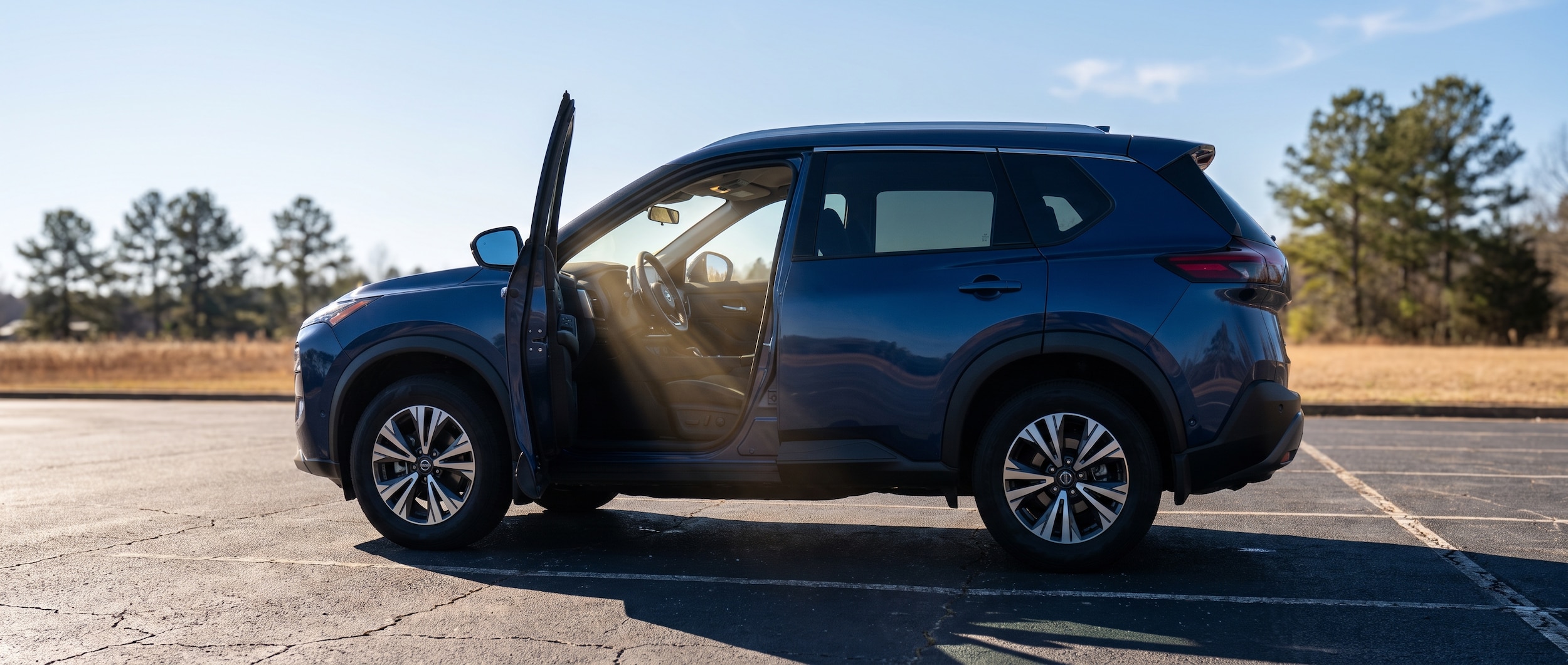
Picture a Nissan that's been sitting in a Birmingham parking lot for an hour on a July afternoon. The driver climbs in, cranks the A/C to max, and waits. The cabin is already north of 130 degrees, and the system is working against itself before it even gets started. There's a better sequence, and it takes about 90 seconds to do right.
This checklist walks you through the exact order of steps our service team recommends for Nissan Rogue drivers and owners across the whole lineup. Follow the sequence and you'll feel a genuine difference, especially when Birmingham's heat index is pushing into the triple digits this week.
Here's an honest tradeoff to acknowledge upfront: no checklist makes a degraded A/C system perform like a healthy one. If your Nissan still blows warm after running through these steps, the system needs attention, not a workaround.
What Goes on the Checklist?
Running these steps in order is what lets your A/C spend its energy on actual cooling instead of fighting the conditions you loaded it with at startup. Skip the sequence and you're just turning on a machine in the worst possible state. Work through it and the system catches up fast.
Before you start driving
- [ ] Park in shade whenever possible. A car parked in direct sun on a 90-degree Birmingham afternoon can reach interior temperatures well above 130 degrees within an hour, according to Stanford University research published in the journal Pediatrics. Shade alone meaningfully lowers your starting point.
- [ ] Open rear windows or doors for 30 to 60 seconds before entering. Let trapped superheated air escape. Hot air rises, and your cabin vents exhaust from the rear, so opening back windows first is more effective than the front.
- [ ] Use a reflective windshield sunshade. The National Weather Service notes that dashboards and steering wheels can reach 180 to 200 degrees in direct sun. A sunshade keeps your dashboard from radiating that stored heat back at you once you start driving.
At ignition
- [ ] Start the engine first, then turn on the A/C. Your A/C compressor runs off the engine; it works more efficiently once the engine is running at road speed rather than at a cold idle. Starting the system while the engine is still cold adds compressor load with less payoff.
- [ ] Set the fan to maximum, vents to floor and dash level. Hot air is lighter, so it sits at the top of the cabin. Aiming airflow low pushes that heat out faster.
- [ ] Leave recirculation OFF for the first 60 to 90 seconds. This is the step that's easy to skip. If you hit recirculate the moment you sit down, the system re-cools 130-degree cabin air instead of expelling it. Let fresh (if hotter) outside air push the thermal mass out first.
Once the cabin starts to drop
- [ ] Press the recirculation button. Now the system recirculates the air it's already partially cooled, rather than constantly fighting a fresh wave of outdoor heat. Automotive HVAC testing has shown recirculation mode can reach your target cabin temperature roughly 30 to 40 percent faster than running fresh air intake alone.
- [ ] Drop the fan speed once the cabin feels comfortable. Maximum fan at comfortable temperatures just creates noise and makes the compressor work past the point of diminishing returns. Dialing back preserves efficiency.
- [ ] Switch back to fresh air on long trips. Recirculation on an extended drive with multiple passengers allows carbon dioxide and humidity to build up inside the cabin, which contributes to drowsiness. Cycle back to fresh air every 30 to 45 minutes.
The one maintenance item that belongs on every summer checklist
- [ ] Check your cabin air filter. Nissan's official guidance recommends replacing the cabin microfilter every 15,000 to 30,000 miles depending on conditions, with more frequent changes in dusty or high-traffic environments. A clogged filter chokes airflow through every vent. If your A/C suddenly feels weaker than it did last summer, the filter is the first thing worth checking before assuming the system needs a recharge.
Why the Order Matters: The Science Behind the Sequence
The sequence above isn't arbitrary, and understanding why helps you trust it. It tracks how your Nissan's HVAC system actually moves heat, and skipping steps makes the compressor work harder without producing faster cooling.
Nissan Altima sedans and SUVs like the Nissan Pathfinder share the same underlying principle: a refrigerant-based closed system where the compressor pressurizes refrigerant, the condenser sheds heat outside the vehicle, and the evaporator absorbs heat from cabin air to produce the cold output at your vents. Every time you pull in 100-degree outdoor air on fresh-air mode, the evaporator has to strip that heat load before you feel anything cold. Recirculation short-circuits that. Once the cabin drops, the system cools already-conditioned air instead of starting from scratch on every breath of outside air.
Birmingham's July conditions add a specific wrinkle. The city runs a humid subtropical climate, with average July highs around 90 degrees and heat index values forecast by WBRC to climb toward 105 degrees or higher during high-pressure events this week. Humidity matters because moist air holds heat more stubbornly than dry air. That's why the "let it vent first" step matters more here than it does in a drier climate: you're not just dumping heat, you're dumping humidity-loaded air that makes the system work harder once you seal everything up with recirculation.
Recirculation is a short-burst tool for the cooling phase, not a permanent setting. Leaving it on for a full highway drive with a full car is the one real downside. CO2 and humidity accumulate, the cabin gets stale, and you arrive tired without knowing why.
Worth knowing about your model: Some current Nissan models include sensors that automatically cycle between recirculation and fresh air to manage moisture levels. If your Nissan's recirculation button seems to switch off on its own, that's the system working as designed, not a fault. Check your owner's manual to confirm whether your trim includes automatic recirculation management.
The Why Behind Each Item in Plain Language
Here's the checklist mapped to why it actually does something, not just what it does.
| Checklist Item | Why It Matters |
|---|---|
| Park in shade | Lowers your interior starting temp before the system even runs; Stanford research found interiors rise 40 degrees F above ambient within an hour in direct sun |
| Open rear windows first | Rear ventilation pushes the hottest trapped air out; more effective than opening just the front |
| Use a windshield sunshade | Prevents dashboard surfaces (which NWS says can reach 180 to 200 degrees) from re-radiating heat once you start driving |
| Start engine before A/C | Compressor runs more efficiently at normal engine rpm than at cold idle |
| Fan on max, aimed low | Pushes buoyant hot air out of the cabin from the bottom up |
| Recirculation OFF first 60 to 90 seconds | Prevents re-cooling superheated cabin air; expels thermal mass before sealing the loop |
| Switch recirculation ON once cabin drops | System cools pre-conditioned air, roughly 30 to 40 percent more efficient than fresh-air intake on hot days |
| Cycle to fresh air on long drives | Prevents CO2 and humidity buildup; keeps occupants alert |
| Inspect cabin air filter | A clogged filter restricts airflow to every vent; Nissan recommends replacement every 15,000 to 30,000 miles |
Print-and-Keep Recap Before Your Next Drive
Keep this sequence on your phone or print it out for the glove box. The whole routine from windows-open to recirculation-engaged takes under two minutes.
- Park in shade or use a sunshade on the windshield.
- Open rear windows for 30 to 60 seconds before getting in.
- Start the engine, then activate A/C on maximum fan.
- Aim vents low, set recirculation to OFF.
- After 60 to 90 seconds (once cabin air starts moving out), switch recirculation ON.
- Reduce fan speed once the cabin feels comfortable.
- On drives longer than 30 minutes, cycle back to fresh air periodically.
- Before every summer season, confirm your cabin air filter has been checked or replaced on schedule.
One thing worth remembering: the checklist gets you everything the settings can offer. Weak airflow, a musty smell from the vents, or air that never quite gets cold are all signs the system itself may need service. Low refrigerant, a failing compressor, or a saturated cabin filter won't be fixed by any button combination. That's where our service team comes in.
We're here for the straightforward questions and the ones that need a lift. Nissan Sentra commuters and Nissan Armada families alike, the A/C checklist is the same. Birmingham's summer heat isn't changing. Might as well be ready for it.
By the Hallmark Nissan Team | July 2026
Frequently Asked Questions
Should I use recirculation from the moment I start my Nissan's A/C?
Wait about 60 to 90 seconds before switching it on, and you'll get noticeably faster cooling because of what the system is actually doing in those first moments. If the cabin has been sitting in the sun and the interior is already extremely hot, pressing recirculate immediately means the system is re-cooling superheated cabin air rather than expelling it. Our advice is to run the A/C on fresh air with maximum fan for the first 60 to 90 seconds, keeping the windows open so the hot air escapes, and then switch to recirculation once the cabin temperature begins to drop. At that point recirculation becomes genuinely efficient, because the system works with air it's already partially cooled rather than pulling in a fresh load of outdoor heat on every cycle.
How often should the cabin air filter be replaced in a Nissan?
Nissan recommends replacing the cabin microfilter every 15,000 to 30,000 miles, with the shorter interval applying to vehicles driven in dusty conditions, heavy stop-and-go traffic, or high-pollen environments. A clogged filter restricts airflow across every vent in the car, which means even a fully functional A/C system will underperform. Signs it's time include noticeably reduced airflow from the vents, a musty or stale smell when the fan runs, or windows that fog more slowly than usual. If you're unsure of your vehicle's last filter service, it's worth asking our service team to check it at your next visit.
Categories:
Social