

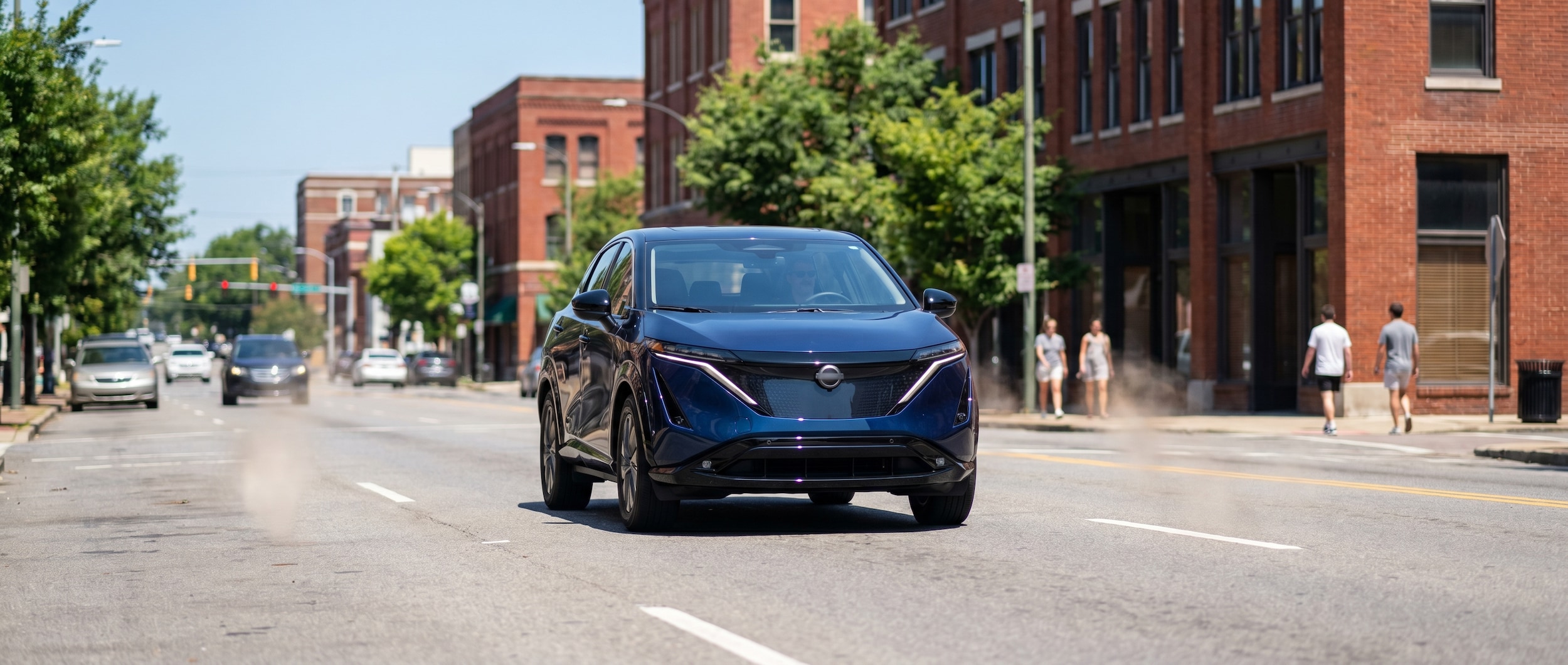
Birmingham's summer temperatures regularly climb above 90°F, and that heat does more than just make your steering wheel uncomfortable - it's actively degrading your brake fluid right now. When brake fluid absorbs moisture from Alabama's humid air, its boiling point drops from 400°F to as low as 284°F, creating a dangerous condition that most drivers never see coming. Understanding how heat affects your Nissan®'s braking system in Birmingham, AL could be the difference between a close call and a safe stop when you need it most.
How Alabama Heat Attacks Your Brake Fluid
Your brake fluid temperature can exceed 300°F during normal driving on Birmingham streets, and aggressive stops on Red Mountain Expressway can push it even higher. Here's what happens inside your brake system during our scorching summers:
When you press the brake pedal, hydraulic pressure forces brake fluid through lines to your calipers, creating friction that stops your vehicle. This process generates tremendous heat - and in Alabama's summer climate, your brake system starts at a disadvantage. The ambient temperature alone can raise your brake fluid's baseline temperature by 20-30 degrees before you even start driving.
The real danger comes from moisture contamination. Brake fluid is hygroscopic, meaning it naturally absorbs water from the air. In Birmingham's humidity, which averages 72% year-round, this process accelerates dramatically. Fresh brake fluid contains less than 0.1% water, but after two years in our climate, that can jump to 3% or higher.
Did you know? For every 1% of water content in your brake fluid, the boiling point drops by approximately 35°F. That's why annual brake fluid testing is crucial for Alabama drivers.
This creates a compound problem: hot weather plus moisture-contaminated fluid equals a drastically reduced margin of safety. When brake fluid boils, it creates vapor bubbles that compress when you press the pedal - resulting in that terrifying "soft brake" feeling when you need to stop.
Signs Your Nissan Needs Brake Fluid Service
Recognizing brake fluid problems early can prevent costly repairs and dangerous situations on busy corridors like Highway 280 or I-65. Your Nissan provides several warning signs that summer heat has compromised your brake fluid:
Visual Indicators:- Dark or murky brake fluid (should be clear amber)
- Fluid level dropping in the reservoir
- Visible contamination or debris
- Discoloration from golden to dark brown or black
- Spongy or soft brake pedal feel
- Increased stopping distances
- Brake pedal sinking slowly when held
- Unusual noises during braking
- Vibration or pulsing when braking
- Brake system warning light
- ABS light activation
- Traction control light (related to brake system)
The most reliable method is checking your brake fluid's moisture content with a digital tester. If the moisture level exceeds 2%, it's time to schedule service - regardless of mileage or time intervals. Birmingham's combination of heat and humidity means our vehicles often need service sooner than manufacturer recommendations suggest.
| Moisture Content | Boiling Point | Safety Level | Recommended Action |
|---|---|---|---|
| 0-1% | 400°F+ | Excellent | Monitor annually |
| 1-2% | 365-400°F | Good | Test every 6 months |
| 2-3% | 330-365°F | Marginal | Service recommended |
| 3%+ | Below 330°F | Dangerous | Service immediately |
Summer driving around Oak Mountain State Park or trips to the beach put extra stress on your braking system. Don't wait for problems to develop - preventive maintenance is always more affordable than emergency repairs.
Which Nissan Models Face the Biggest Risk
Not all Nissan models experience brake fluid degradation equally in Birmingham's heat. Vehicle weight, driving patterns, and brake system design all influence how quickly your brake fluid deteriorates.
Heavy-duty vehicles face the greatest challenge. The Armada and Pathfinder, with their substantial weight and towing capabilities, generate more heat during routine stops. If you're hauling boats to Logan Martin Lake or towing trailers through the Cahaba River valley, your brake fluid works even harder. These models benefit from brake fluid inspection every 15,000 miles or annually - whichever comes first.
Performance-oriented driving also accelerates brake fluid breakdown. The Sentra SR and Altima SR models attract drivers who enjoy spirited driving through Birmingham's curvy roads. Quick acceleration followed by aggressive braking creates heat cycles that rapidly degrade brake fluid quality. Similarly, the Frontier pickup, popular for both work and weekend adventures, often carries heavy loads that stress the brake system.
Pro tip: Electric and hybrid models like the Leaf actually experience less brake fluid degradation thanks to regenerative braking, which reduces traditional brake use by up to 70%.
Urban commuters aren't exempt from concern. Stop-and-go traffic on I-459 or through downtown Birmingham creates repeated heat cycles that can be worse than highway driving. The Versa, Kicks, and Rogue - popular choices for city driving - need regular brake fluid monitoring despite their lighter weight and efficient design.
The age of your brake fluid matters more than your model choice. Even a well-maintained Murano parked most of the time will develop moisture-contaminated fluid after two years in Alabama's humidity. That's why time-based service intervals matter as much as mileage-based ones.
Smart Brake Maintenance for Birmingham Summers
Protecting your brake system from Alabama's brutal summer heat requires a proactive approach tailored to our unique climate challenges. Here's your comprehensive maintenance strategy:
Seasonal Brake Fluid Check Schedule:- Spring (March-April): Pre-summer inspection before peak heat
- Mid-summer (July): Heat stress evaluation
- Fall (October): Post-summer assessment
- Winter (January): Annual comprehensive check
- Check brake fluid level monthly - look for the MIN/MAX marks
- Inspect fluid color through the reservoir
- Test pedal feel before driving each day
- Listen for unusual sounds during braking
- Monitor stopping distances on familiar routes
- Brake fluid moisture test: Every 12 months
- Complete brake inspection: Every 15,000 miles
- Fluid replacement: Every 2 years or 30,000 miles
- Heavy-duty use: Reduce all intervals by 25%
The investment in preventive maintenance pays dividends. A complete brake fluid service typically costs a fraction of replacing heat-damaged brake components. Plus, fresh brake fluid protects against corrosion, extending the life of expensive parts like calipers and ABS modules.
Consider upgrading to DOT 4 synthetic brake fluid if you frequently drive in demanding conditions. While Nissan vehicles come with quality brake fluid from the factory, synthetic options offer higher boiling points and better moisture resistance - advantages worth considering for Birmingham driving. Always verify compatibility with your specific model before switching fluid types.
Local Driving Conditions That Accelerate Brake Wear
Birmingham's unique geography and traffic patterns create specific challenges for brake systems that drivers in flatter regions never face. Understanding these local factors helps you adjust your maintenance schedule accordingly.
The steep grades throughout Red Mountain and Shades Mountain communities put constant strain on braking systems. Descending Shades Crest Road or navigating the hills around Vulcan Park generates sustained heat that can overwhelm contaminated brake fluid. Residents in these areas often need brake service 30% more frequently than those in flatter neighborhoods.
| Local Driving Condition | Heat Impact | Brake Wear Factor | Service Frequency |
|---|---|---|---|
| Mountain Communities | Very High | 2.5x normal | Every 10-12 months |
| Highway Commuting | Moderate | 1.2x normal | Every 18-20 months |
| City Stop-and-Go | High | 2.0x normal | Every 12-15 months |
| Mixed Suburban | Low-Moderate | 1.0x normal | Every 20-24 months |
Summer construction season adds another layer of stress. Sudden stops for work zones on I-65 or unexpected traffic backups near the Birmingham-Jefferson Convention Complex create heat spikes that test your brake fluid's limits. The combination of ambient heat, stop-and-go conditions, and Alabama's humidity creates perfect conditions for brake fluid failure.
Rush hour traffic through Homewood, Hoover, and Vestavia Hills means extended periods of brake use. Your brake components never fully cool during the 30-45 minute crawl through these corridors. This sustained heat exposure accelerates moisture absorption and chemical breakdown of brake fluid.
Did you know? Birmingham's average of 56 inches of annual rainfall means wet road conditions that require longer stopping distances, putting additional stress on brake systems already compromised by heat.
Weekend trips to recreational areas compound the issue. Whether you're heading to Oak Mountain State Park, Tannehill Ironworks Historical State Park, or Rickwood Caverns, these destinations often involve hilly terrain and heavy traffic during peak seasons.
Common Questions About Brake Fluid and Summer Heat in Birmingham, AL
How often should I check my Nissan's brake fluid in Birmingham's climate?
Check your Nissan's brake fluid level monthly and have the moisture content tested annually, ideally before summer heat arrives. Birmingham's combination of high temperatures and humidity accelerates brake fluid contamination compared to drier climates. Visual inspection through the reservoir can alert you to color changes that indicate degradation.
Does the color of brake fluid indicate when it needs changing?
Fresh brake fluid appears clear amber or light gold, while contaminated fluid turns dark brown or black. However, color alone doesn't reveal moisture content - the critical factor in Birmingham's humid climate. Professional moisture testing provides the most accurate assessment, as fluid can appear relatively clean while containing dangerous levels of water.
Can I mix different types of brake fluid in my Nissan?
Never mix DOT 3 and DOT 4 brake fluids, as they have different chemical compositions and boiling points. Most Nissan models use DOT 3, but some performance variants specify DOT 4. Check your owner's manual or the cap on your brake fluid reservoir for the correct specification to maintain safe operation in Alabama's heat.
Why do my brakes feel different in summer versus winter?
Birmingham's temperature swings from 35°F winter lows to 95°F+ summer highs affect brake fluid viscosity and performance. Summer heat thins the fluid and accelerates moisture absorption, potentially creating a softer pedal feel. Cold weather thickens fluid, which might make brakes feel more responsive initially but can mask developing problems.
What's the average cost of brake fluid service in Birmingham, AL?
Professional brake fluid service in Birmingham typically includes a complete system flush, new fluid, and moisture testing. Service complexity varies by model - the Altima requires less fluid than the Armada. Many shops offer seasonal brake inspections that include fluid testing, helping you catch problems before they become dangerous.
Should I upgrade to synthetic brake fluid for Alabama summers?
Synthetic DOT 4 brake fluid offers a higher boiling point and better moisture resistance than conventional DOT 3. For Nissan drivers tackling Birmingham's hills, towing, or sitting in heavy traffic, the upgrade provides extra safety margin. Verify compatibility with your specific model year, as some older vehicles require DOT 3 exclusively.
Protect Your Nissan This Summer
Birmingham's intense summer heat doesn't have to compromise your safety on the road. Regular brake fluid maintenance tailored to Alabama's unique climate challenges keeps your stopping power strong when you need it most. Whether you're navigating the steep hills of Mountain Brook or cruising down Highway 280, properly maintained brake fluid ensures confident, safe stops every time.
Don't let another scorching Alabama summer put your brake system at risk. Take action now to protect your investment and your safety. The experienced service team at Hallmark Nissan understands exactly how Birmingham's weather affects your vehicle and can help you stay ahead of brake fluid problems before they leave you stranded.
Categories:
Social